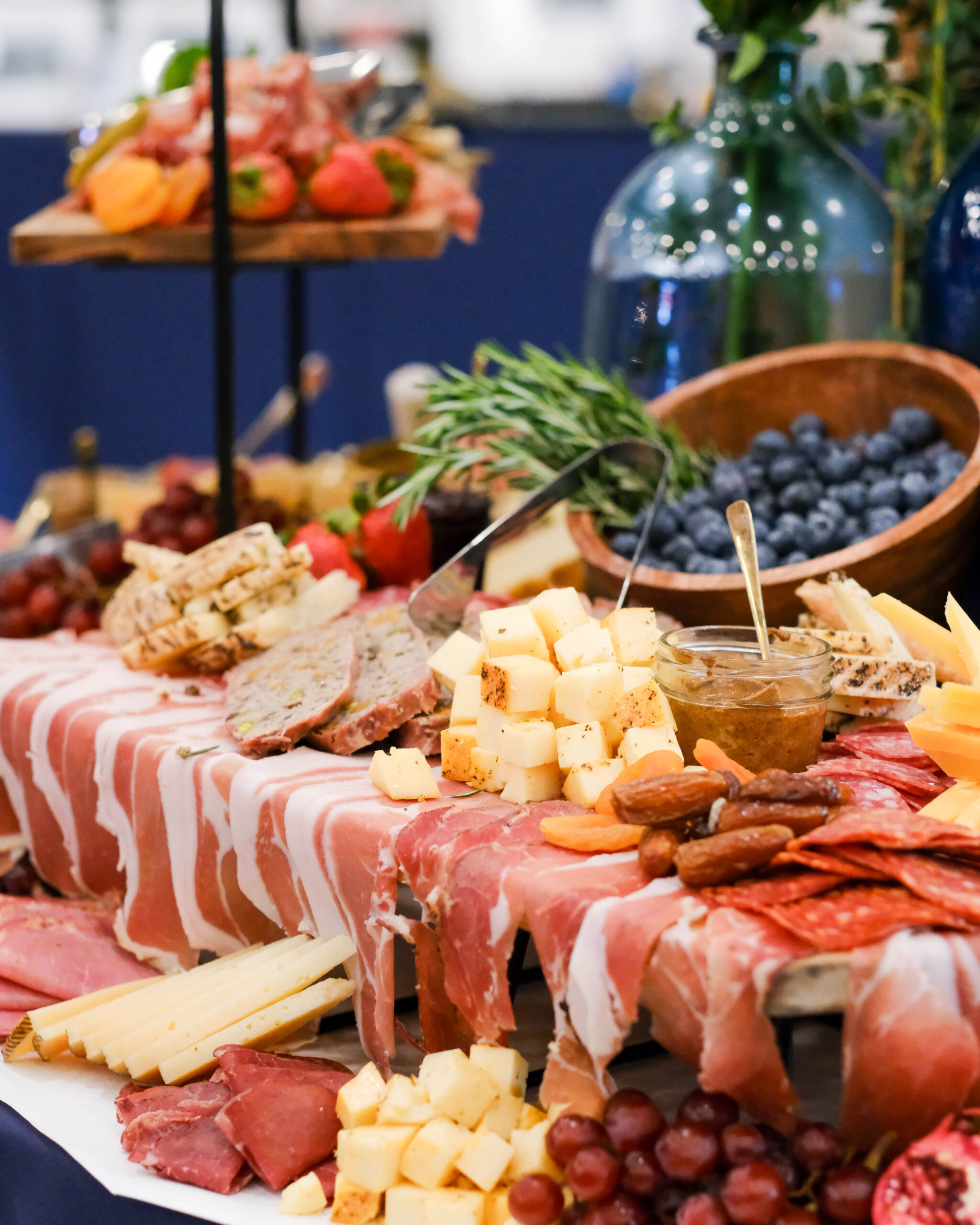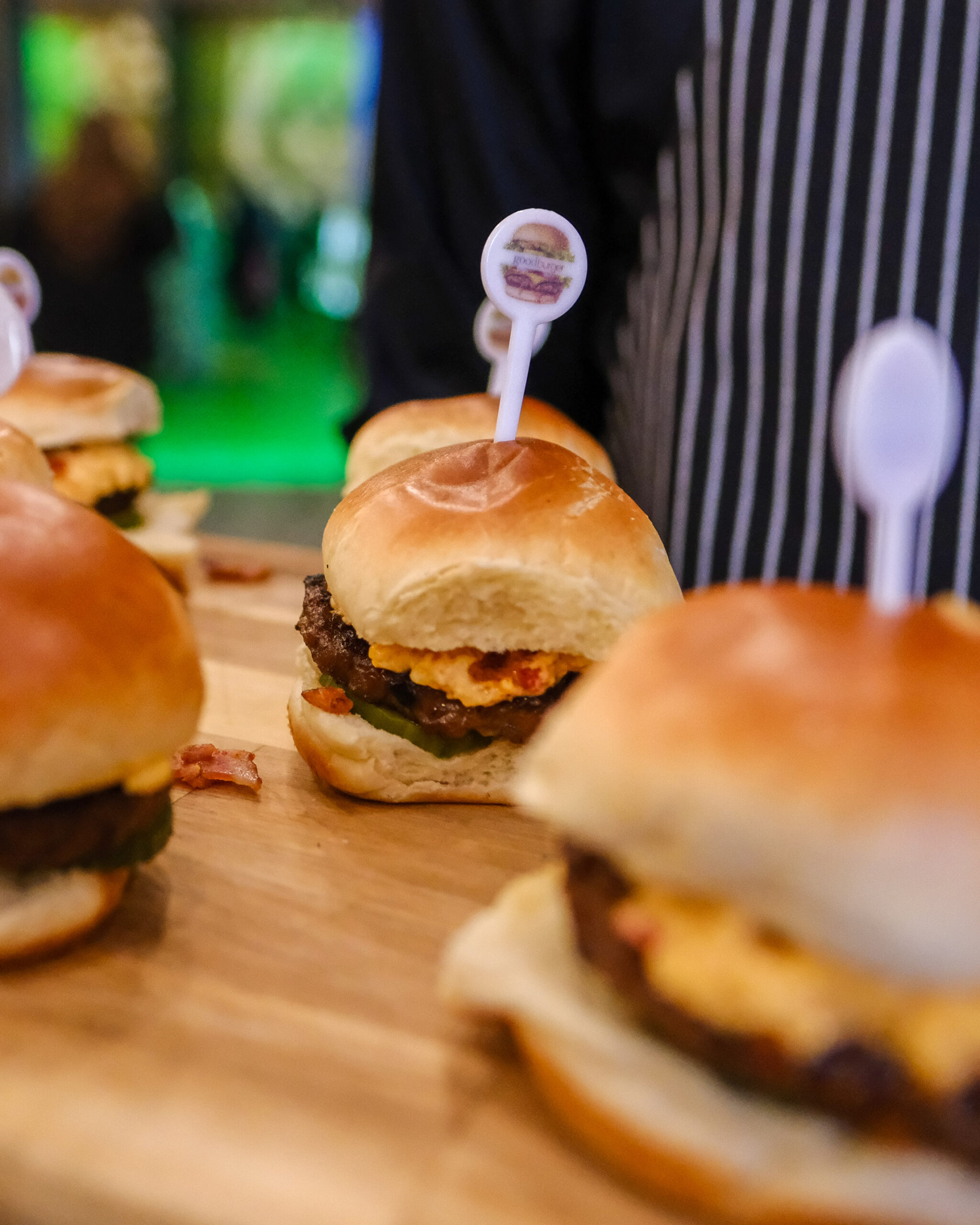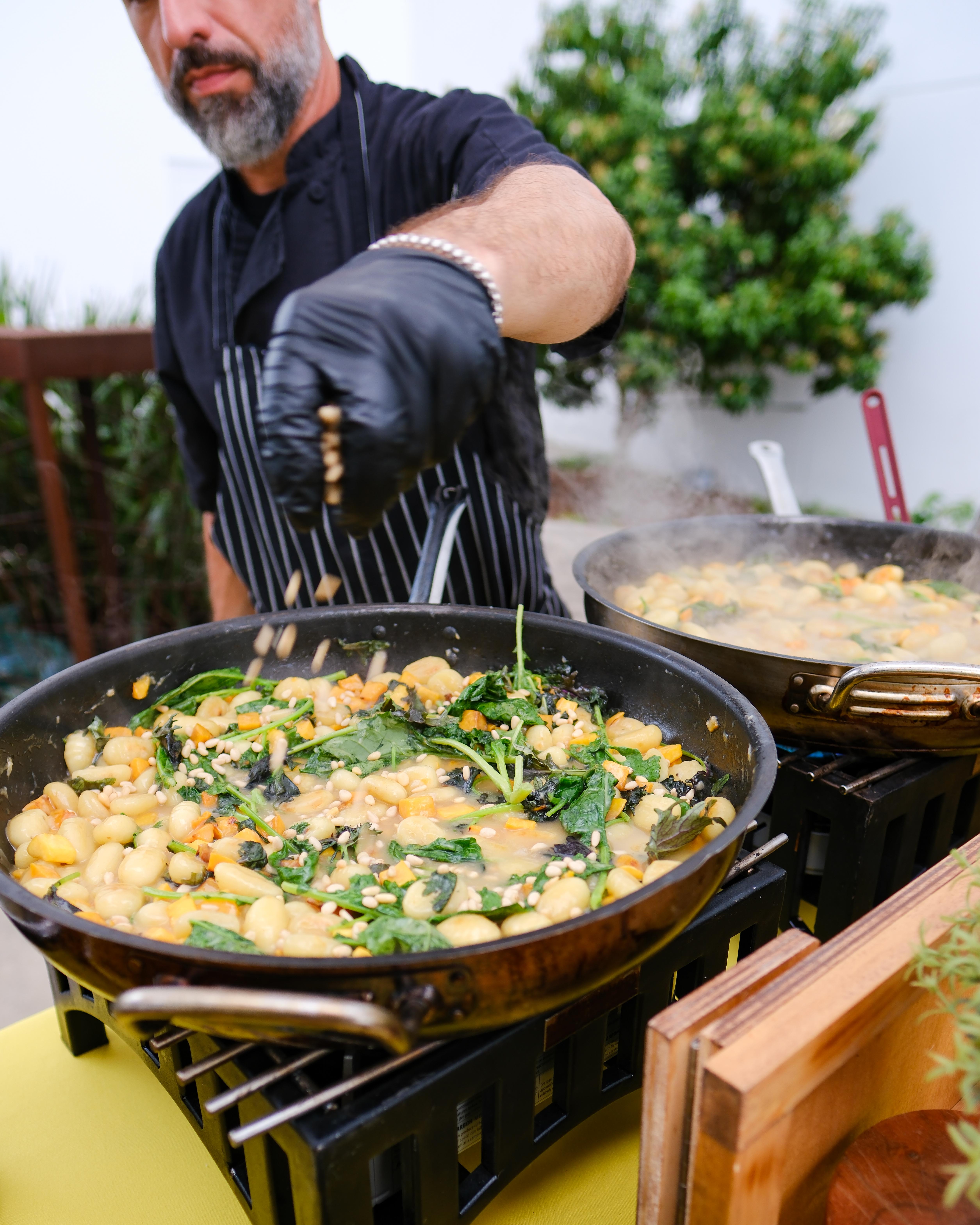
Header Photo Credit: Jonathan Fanning Photography
Great Events Require More Than Great Food
Choosing a caterer is about more than deciding what to serve for dinner.
You’re choosing the team responsible for preparing the food, building the kitchen, setting the tables, serving your guests, pouring the drinks, managing the timing and quietly handling hundreds of details that most people attending the event will never see.
We’ve been doing that at Good Food since 2008, and over the years we’ve developed some pretty strong opinions about what great catering should look like.
We believe catered food should taste like it came from a really good restaurant. We believe service should feel like genuine hospitality rather than simply putting enough people in uniforms in the room. We believe food can be part of the entertainment, and that an event should reflect the people hosting it rather than feel like a package someone else has already purchased a hundred times.
Most importantly, we believe the best catering happens when food, service and execution work together.
Good Food Events + Catering is a full-service Tampa catering company specializing in weddings, corporate events, galas and private celebrations throughout Tampa Bay. Since 2008, our approach has combined restaurant-inspired food, chef-attended culinary experiences, professional service and experienced off-premise event execution.
That’s what we mean when we talk about the Good Food experience.
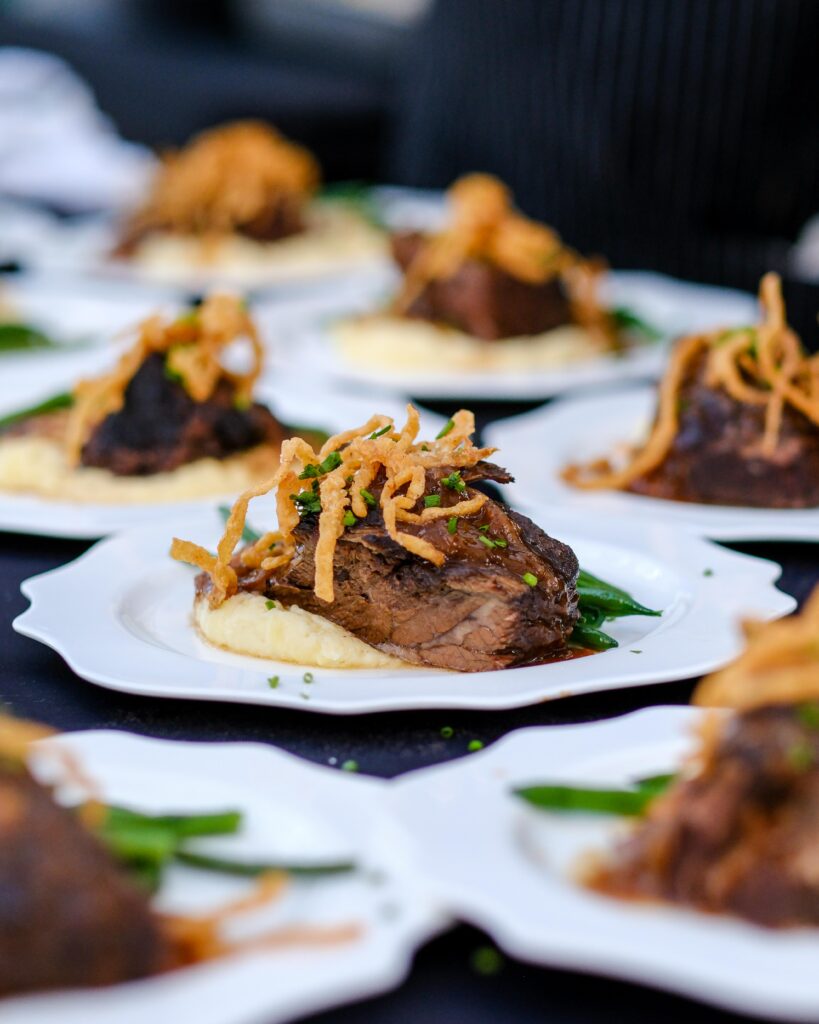
We Build Restaurants That Exist for One Night
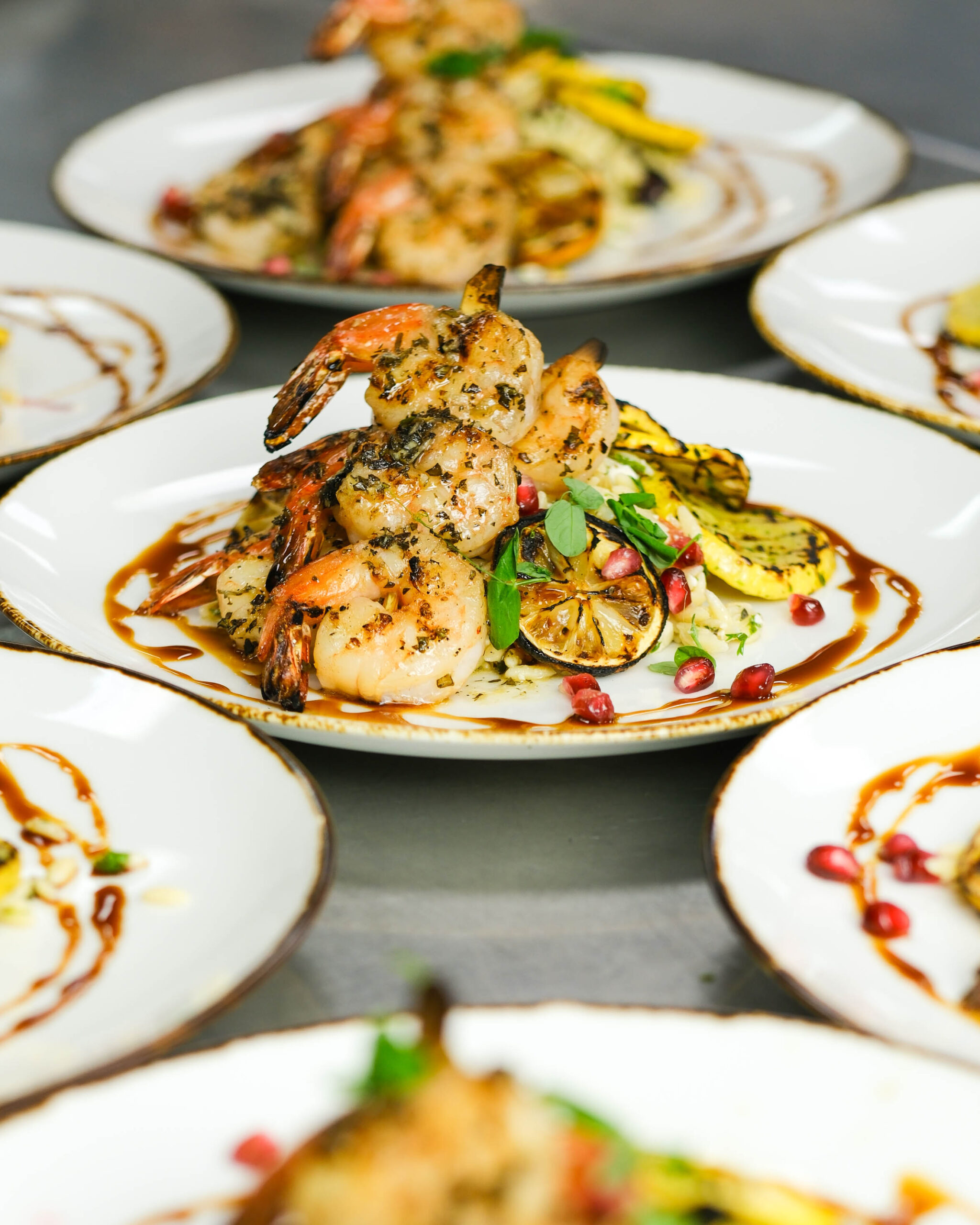
One of the ideas that has defined Good Food from the beginning is remarkably simple: catered food shouldn’t taste like catered food.
For us, that means bringing as much of the restaurant experience to the event as the venue will allow.
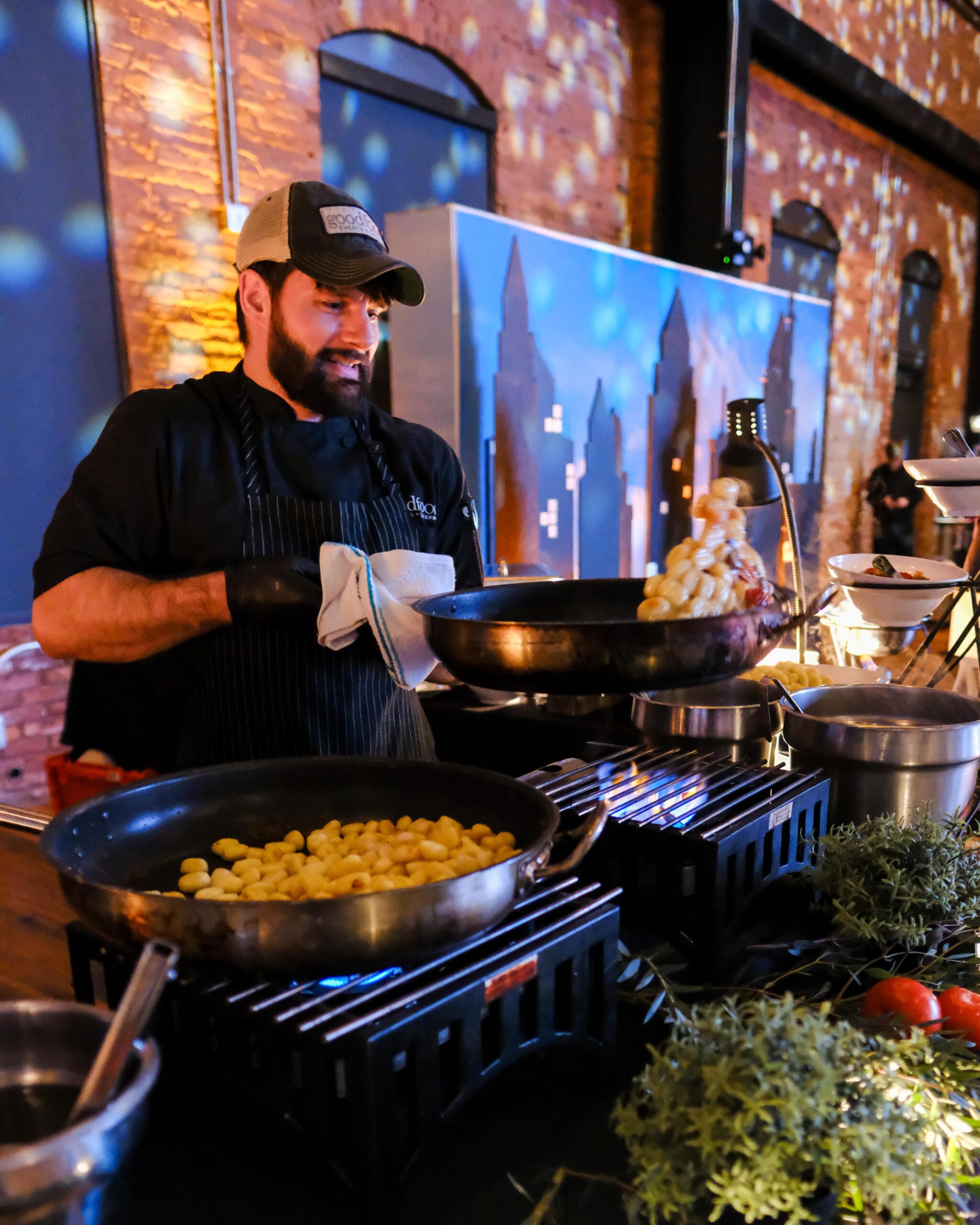
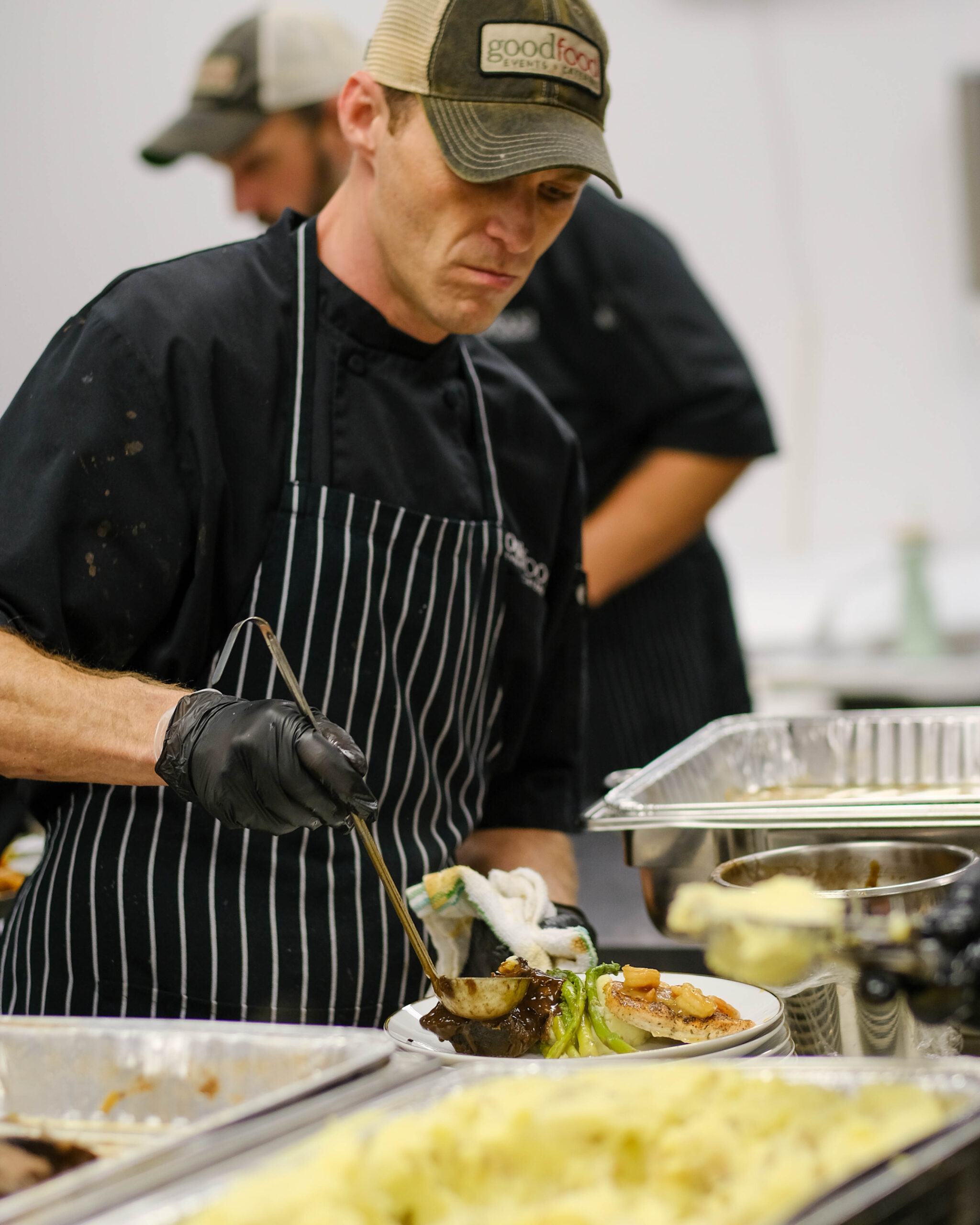
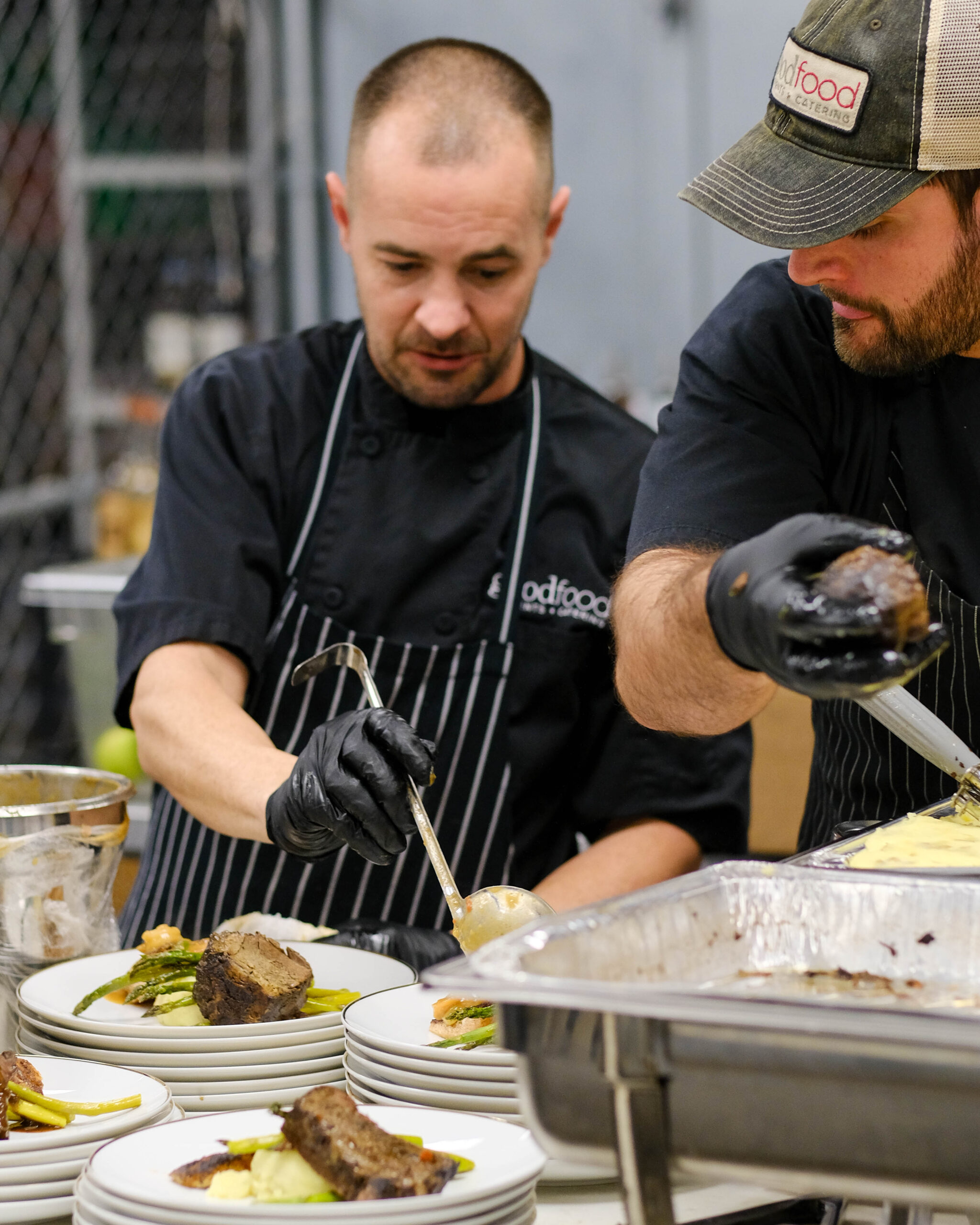
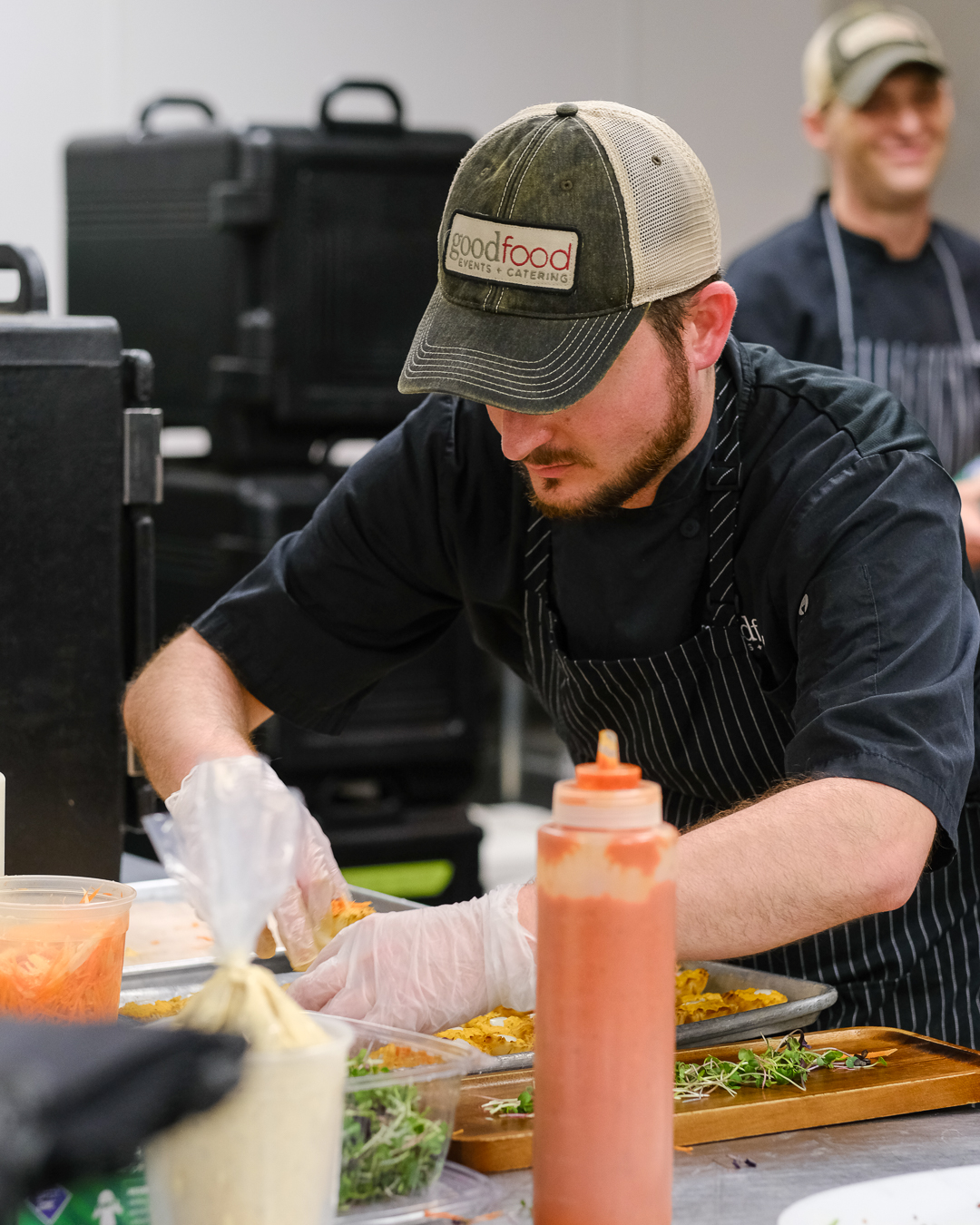
Rather than treating the kitchen simply as the place where food is held until it’s time to serve it, we approach an event kitchen as a working restaurant kitchen. Food is prepared and finished as close to service as possible. Sauces are hot. Proteins are rested and carved properly. Pasta is finished when guests are ready for it. Items that are supposed to have texture still have texture when they reach the table.
Doing that at an off-premise event isn’t always easy.
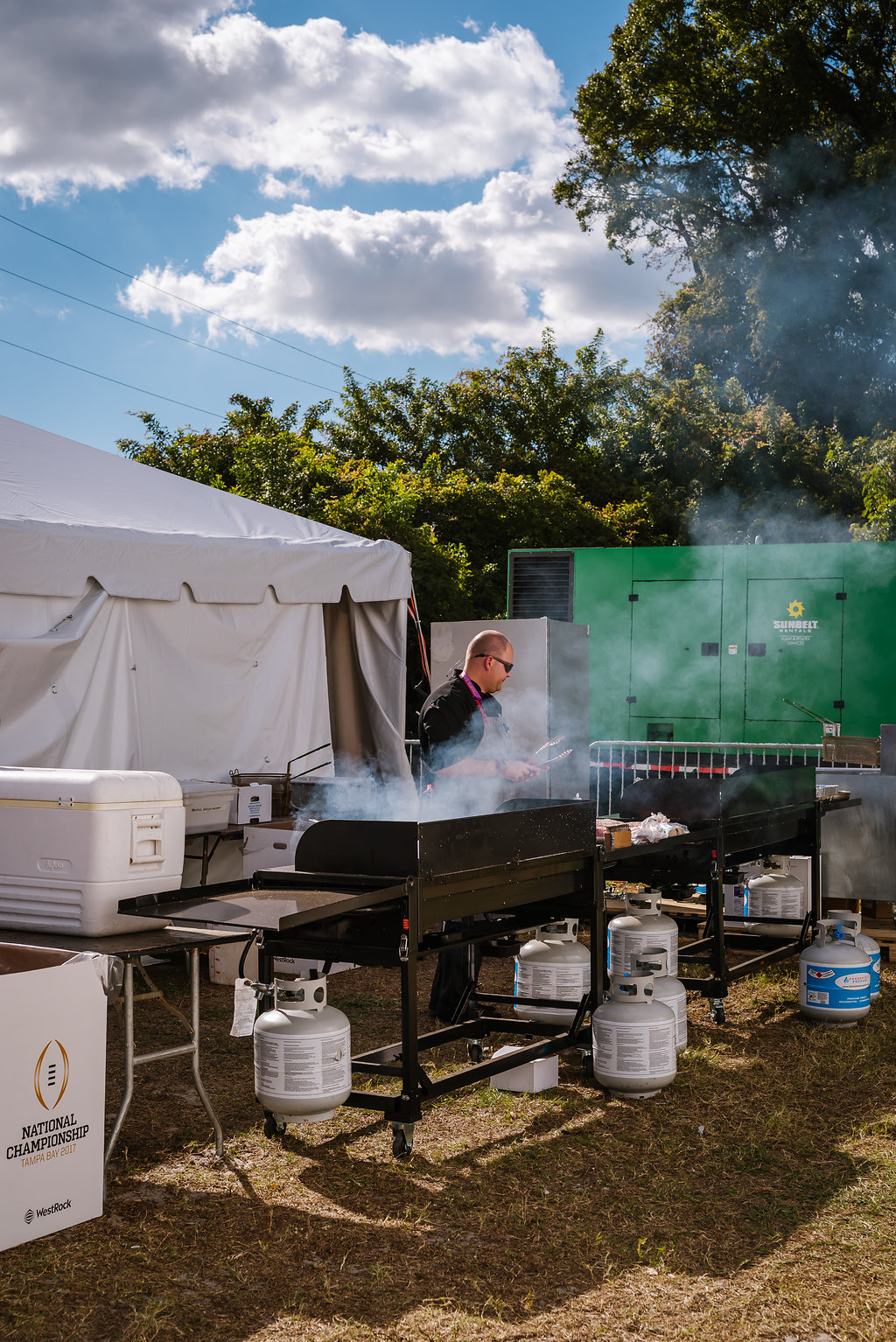
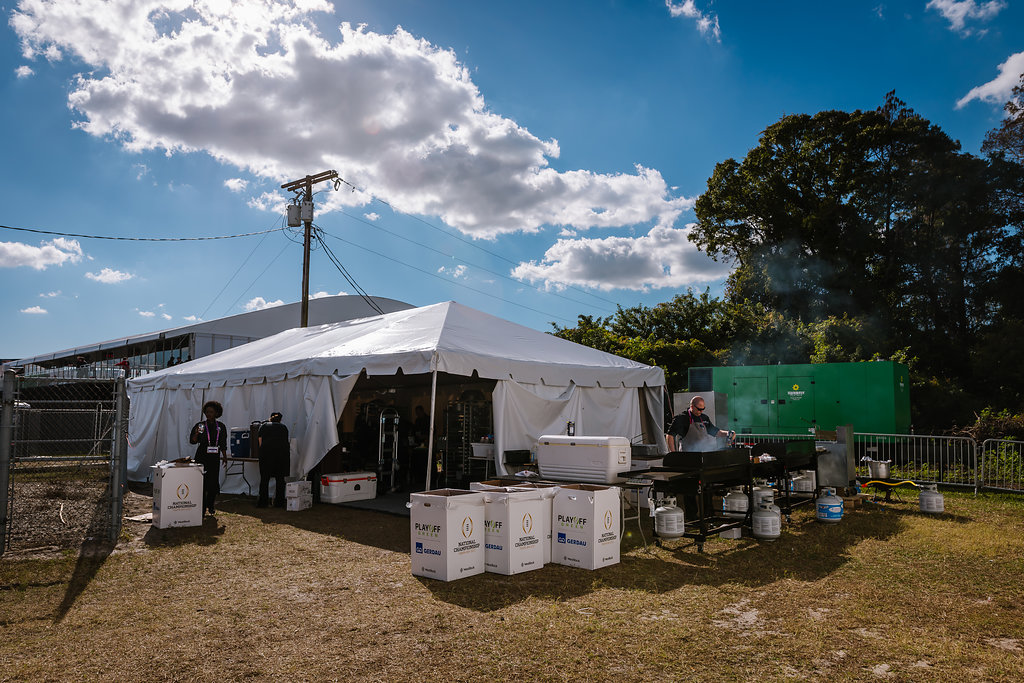
Sometimes we’re working in a venue with an excellent catering kitchen. Other times we’re creating one ourselves in a loading area, under a tent, inside a historic building or behind someone’s home. We bring the equipment, create the workflow, coordinate the culinary team and essentially build a temporary restaurant that may exist for only a few hours.
Then we take it apart and do it somewhere else.
That philosophy has shaped the way we cook since Good Food began. Whether we’re serving an intimate dinner or hundreds of guests at a large event, the objective remains the same: the size of the guest list shouldn’t determine the quality of the meal.
Food Should Be Part of the Experience
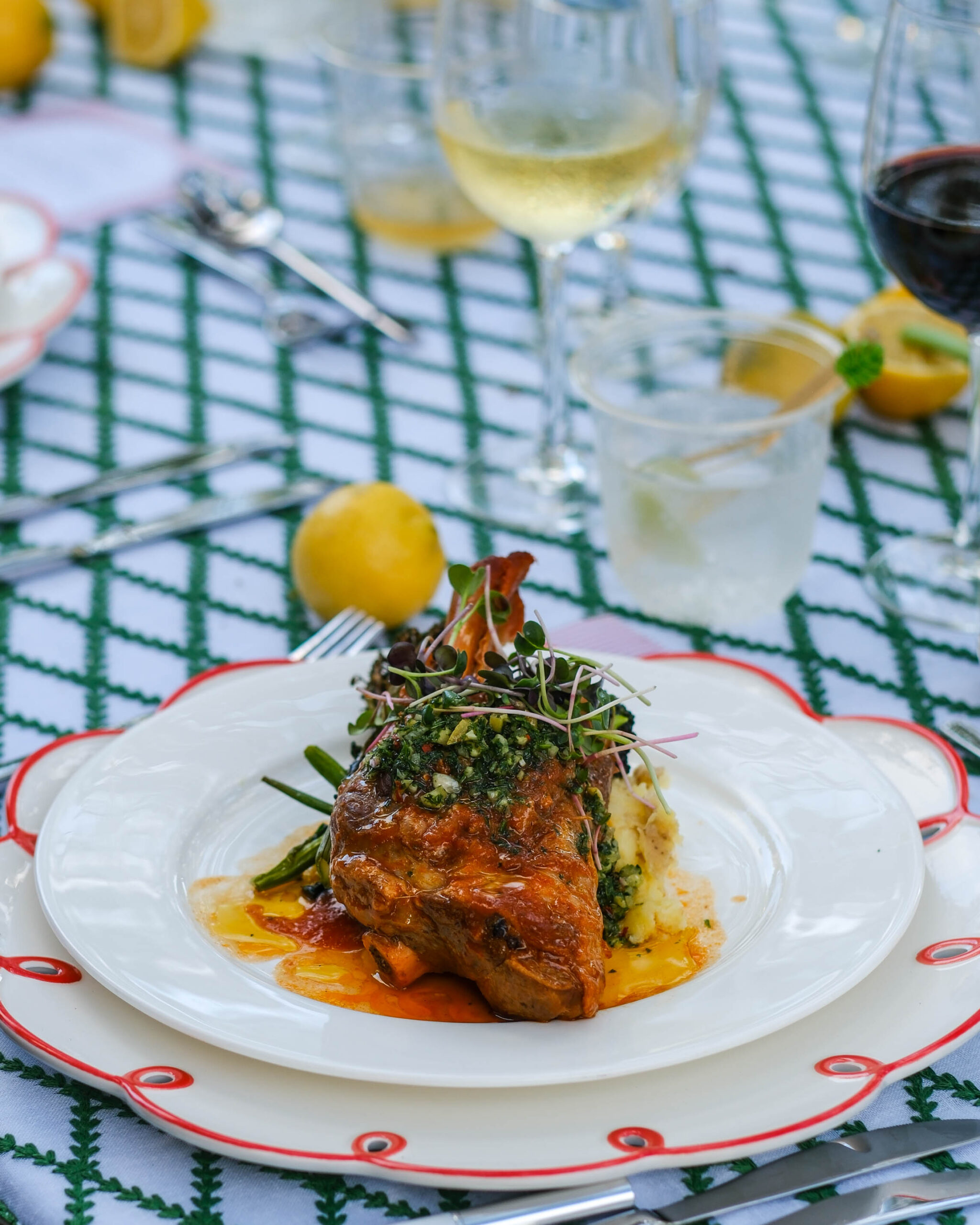
There will always be a place for a beautifully executed plated dinner. We love them.
But some events call for something different.
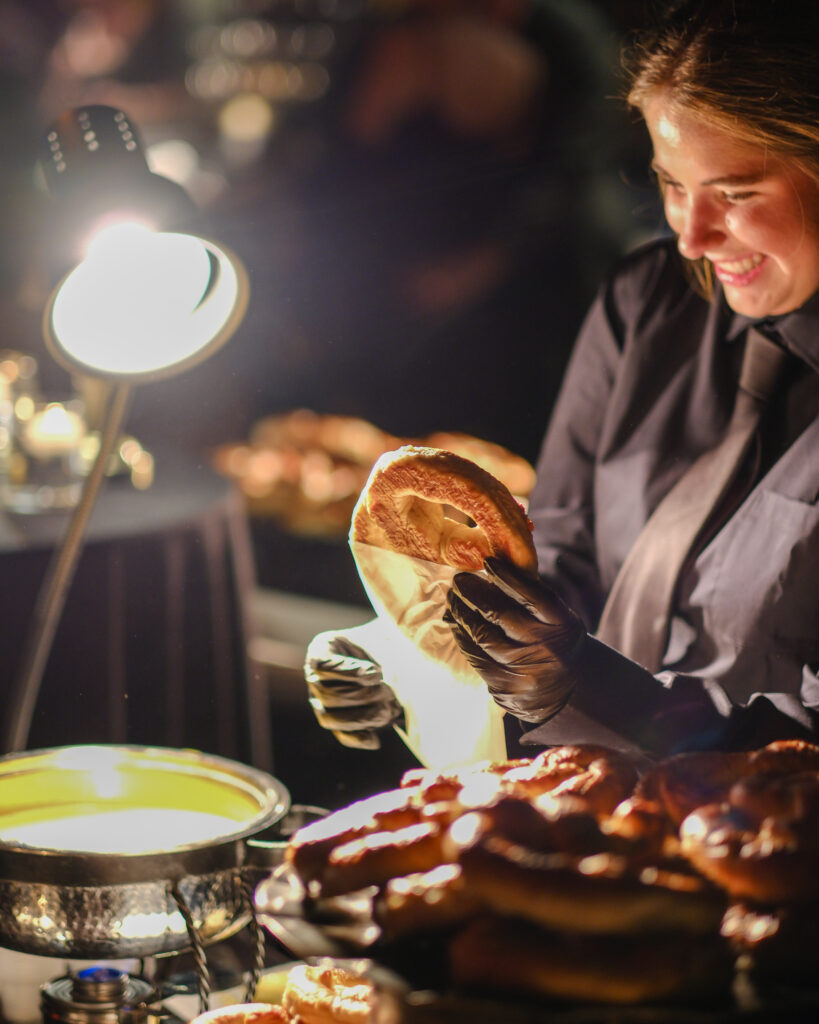
Over the years, interactive culinary stations have become one of the most recognizable parts of Good Food. What began as a creative way of approaching event dining eventually became something much bigger: an opportunity to bring the energy of the kitchen directly into the room.
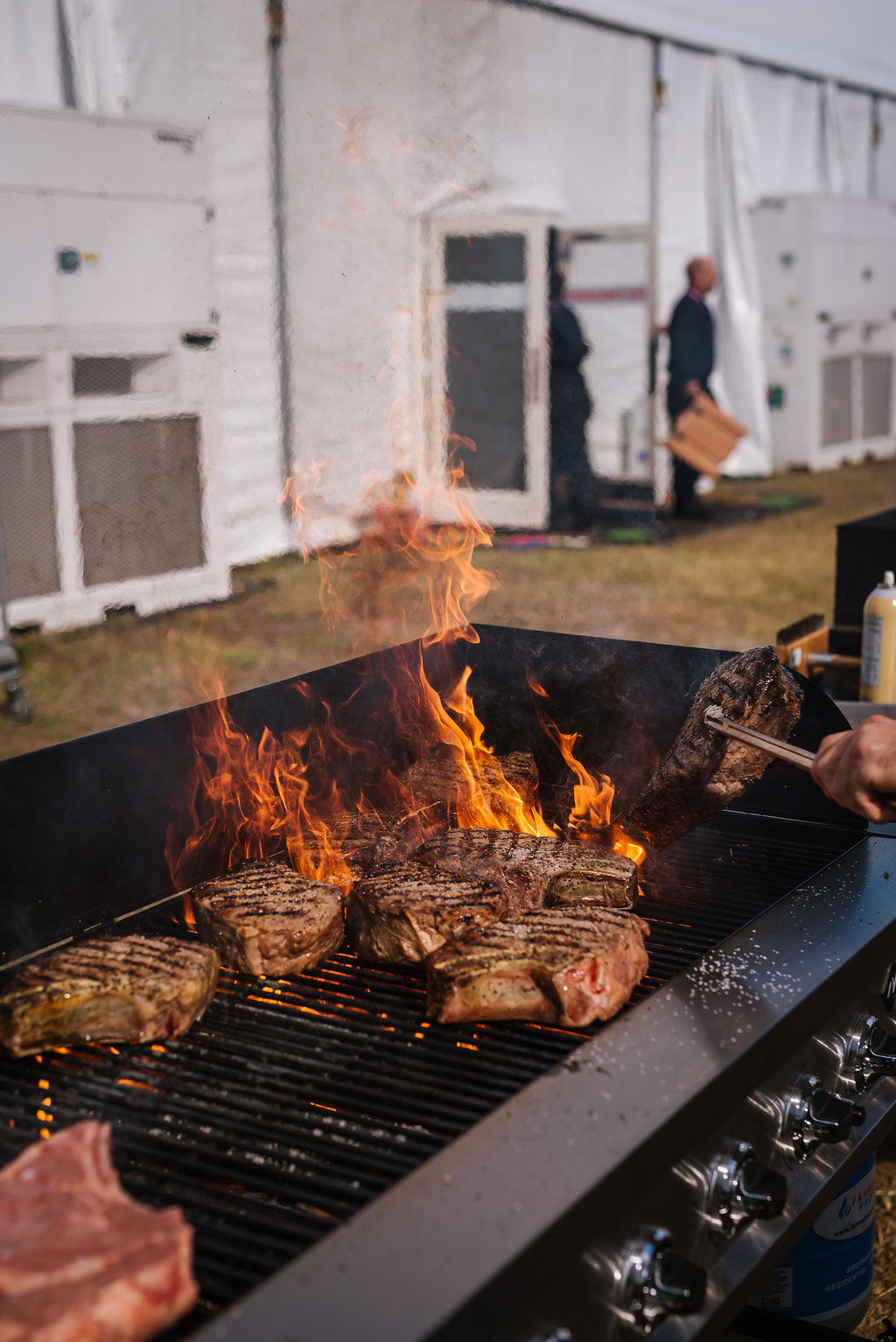
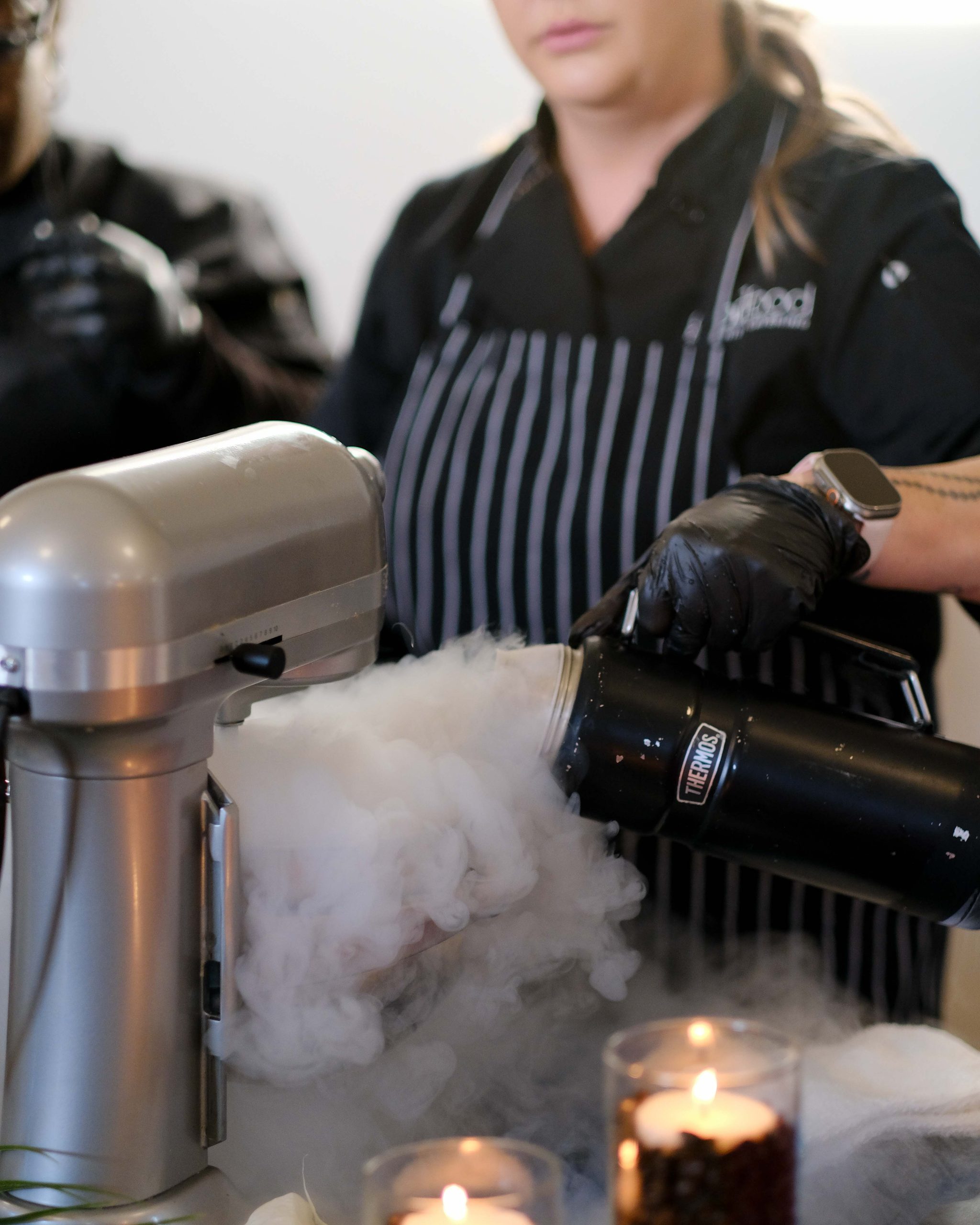
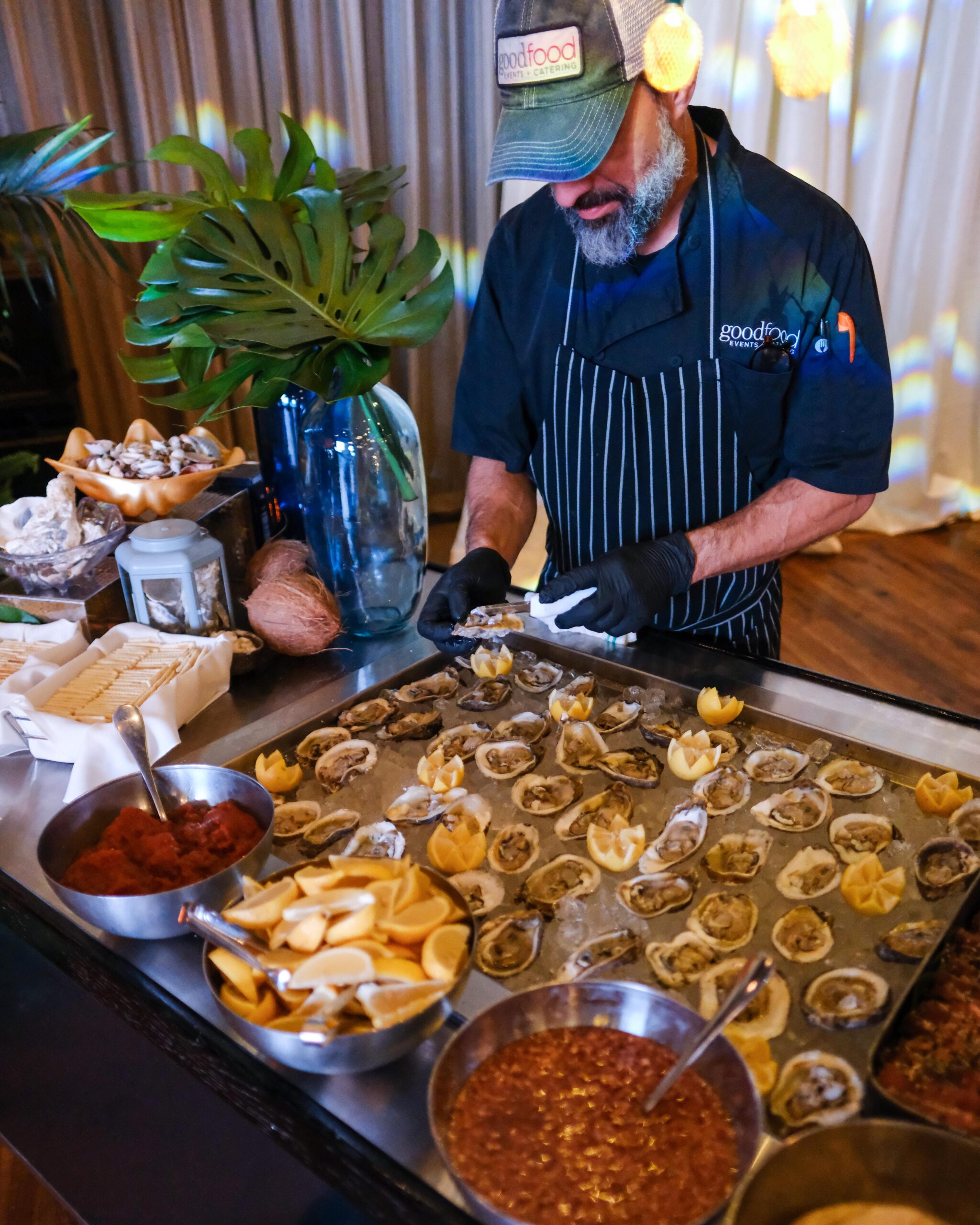
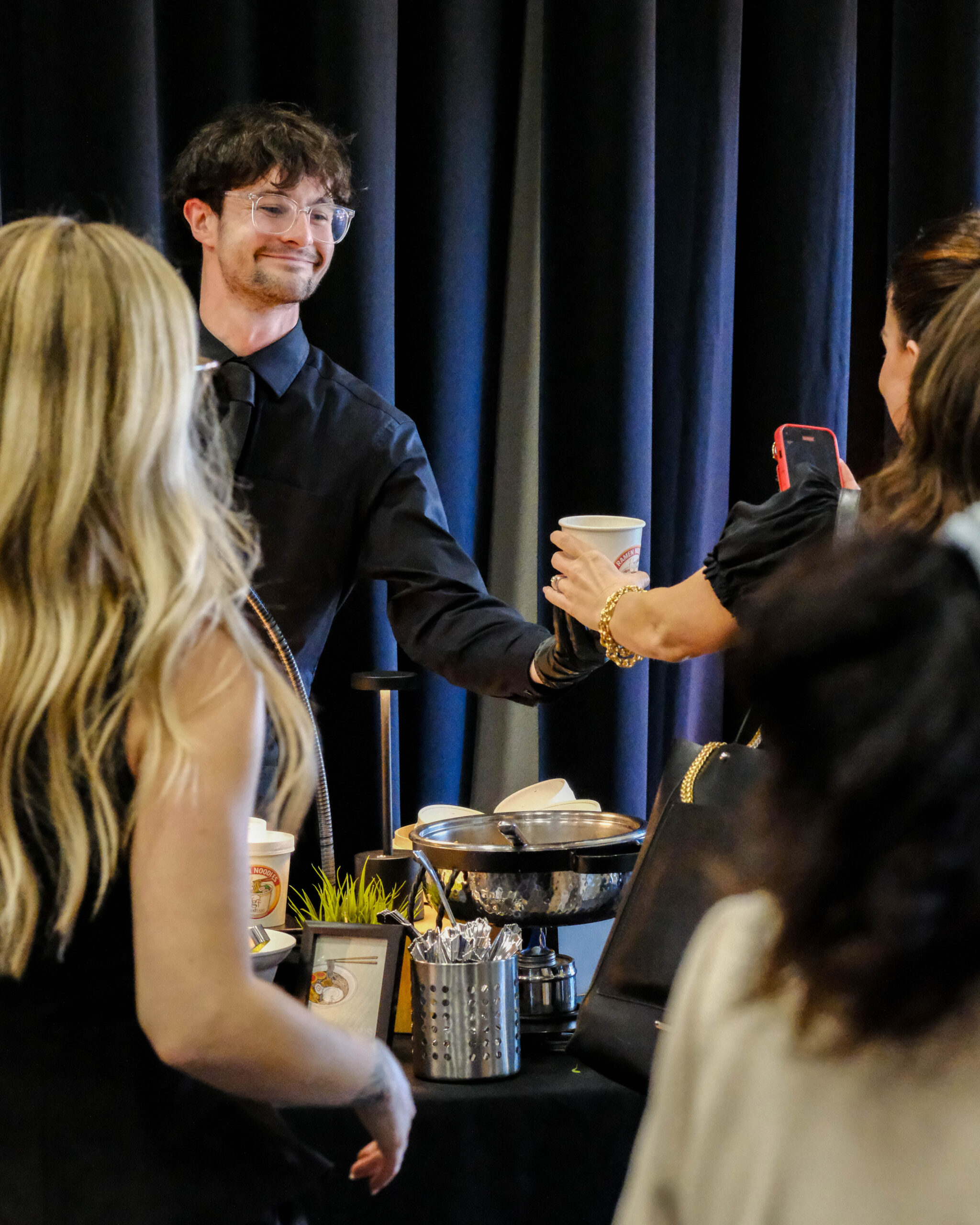
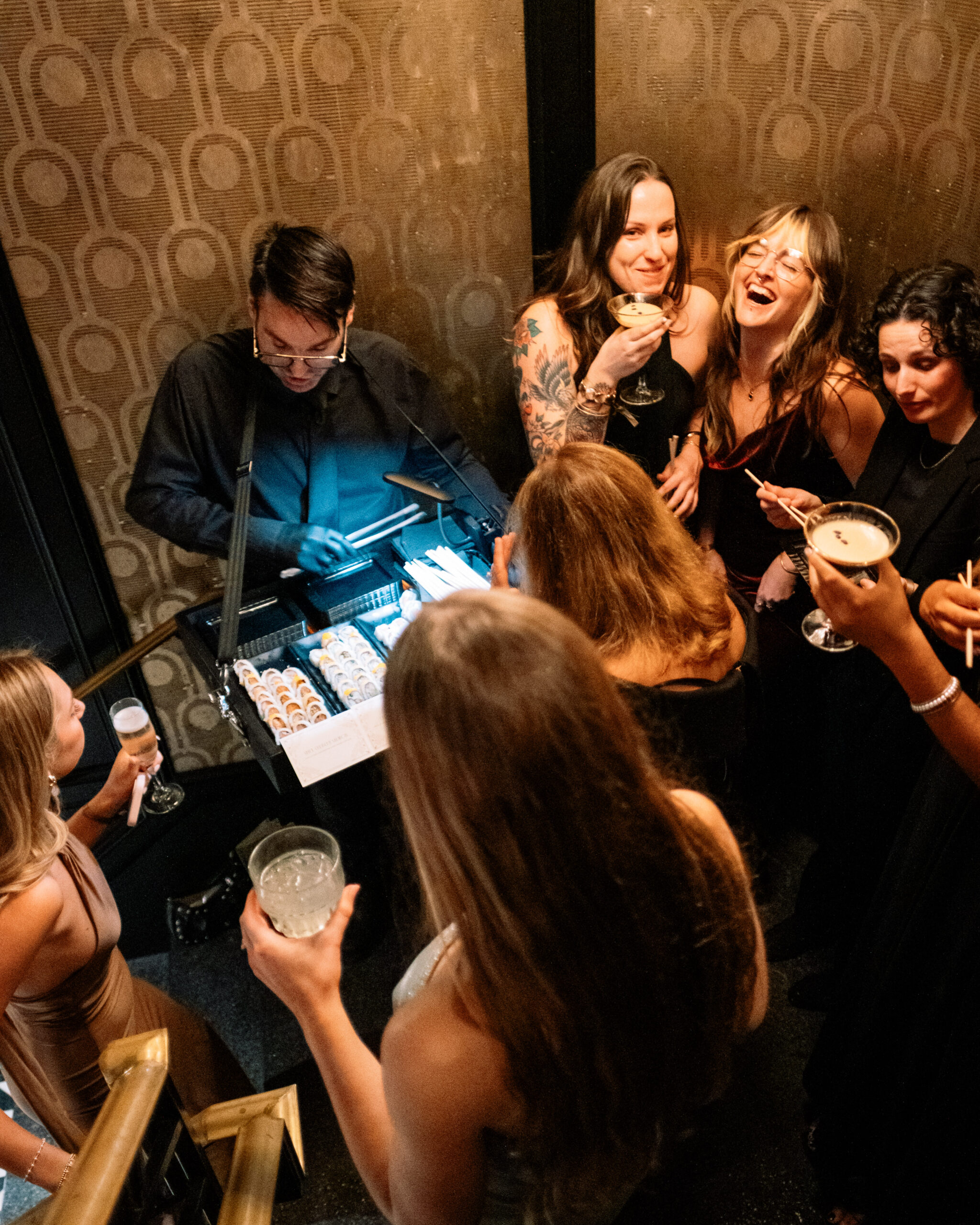
A chef might carve a beautiful cut of meat while guests watch. Fresh pasta can be finished to order. Oysters can be shucked in front of the person who’s about to eat them. Ceviche can be composed, ramen built, Parmesan tossed, or dessert created while a conversation happens across the station.
Those interactions change the way people experience the food.
We’ve never believed a culinary station should simply be a buffet with someone wearing a chef coat standing behind it. If we’re going to put a chef in front of the guests, something should be happening.
There should be movement. There should be aroma. There should be interaction. There should be a reason to stop, watch and talk.
That’s the difference between serving food and creating a culinary experience.
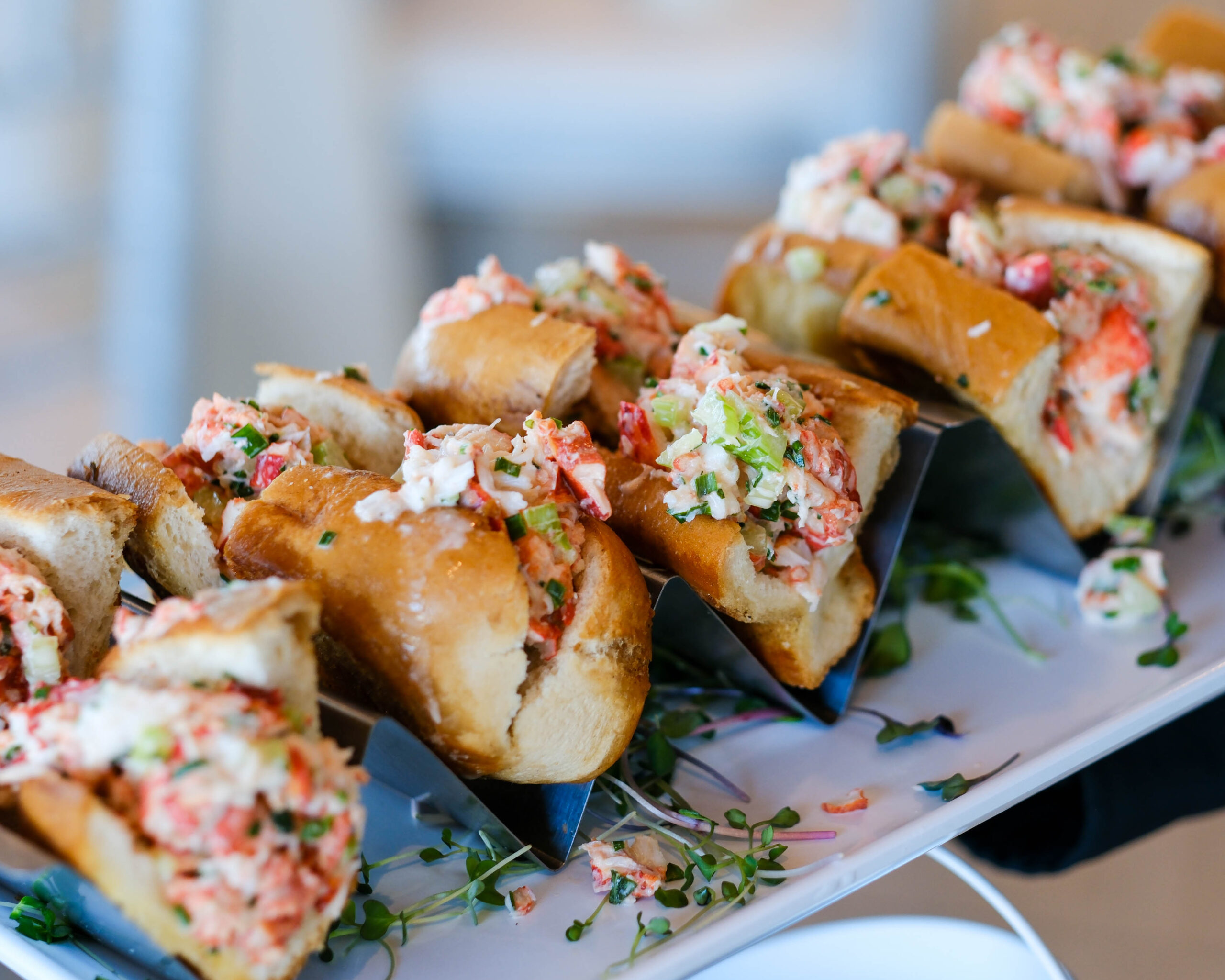
And those experiences can continue throughout the evening. A raw bar can become a gathering point during cocktail hour. Champagne can become part of the arrival experience. A late-night slider, freshly made snack or unexpected dessert can give a party another burst of energy just when it needs one.
We don’t add those elements simply because they’re trendy. We use them when they make the event better.
Good Food Isn't Enough
There’s a certain amount of irony in a company called Good Food admitting this, but we’ve learned something important over the years:
Good food by itself isn’t enough.
You can create an extraordinary menu and still deliver a mediocre event.
Hospitality is what connects everything.
It’s the server who recognizes that someone needs something before being asked. It’s a bartender remembering a guest’s drink. It’s the chef who looks up from the station and actually engages with the person standing in front of them. It’s an event captain who understands that the photography timeline is running ten minutes late and quietly adjusts service so nobody feels rushed.
Those moments aren’t line items on a catering proposal, but they have an enormous influence on how an event feels.
We want our service to be polished without being stiff, attentive without hovering, and professional without losing the warmth that makes hospitality feel genuine.
There is a difference between serving someone and taking care of them.
We want to do the latter.
That’s why we spend so much time thinking about hospitality, training and the small details of service. Great food may be what first gets someone’s attention, but the way our team makes people feel is every bit as important to us.
Your Event Shouldn't Feel Like Someone Else's Event
One of the fastest ways to make planning easier would be to create three packages and ask everyone to choose one.
We’ve never found that particularly interesting.
Every event has its own personality. A wedding for 150 people at a historic Tampa venue should not necessarily feel like a corporate celebration for 500. A gala has different priorities than an intimate dinner at a private residence. Even two weddings at the same venue can, and should, feel completely different.
That’s why our menus are designed as starting points rather than rigid formulas.
We want to know what you like to eat. We want to understand the way you envision the event unfolding. We want to know whether dinner should feel formal, relaxed, social or interactive. We want to hear about the restaurant you love, the dish your family always makes, the place you traveled together or the food you absolutely have to include.
Then our culinary and event teams begin putting the pieces together.
Sometimes that results in a restaurant-inspired plated dinner. Sometimes it’s a room filled with chef-attended stations. It might be family-style service, a cocktail reception, an elaborate raw bar, a late-night surprise or some combination we haven’t thought of yet.
The objective isn’t customization simply for the sake of saying something is custom.
The objective is to create an event that feels like yours.
Experience You Usually Don't See
Some of the most important things a catering company does happen where the guests will never see them.
Long before dinner is served, someone has to understand how everything is going to get into the building. Where will the kitchen be? Where will the trucks park? How far is the dining room from the cooking area? Is there enough power? Where will the dirty dishes go? How many servers are required to put dinner in front of everyone within the service window?
What happens if it rains?
What happens when the ceremony runs fifteen minutes late?
What happens when 200 guests decide to move from cocktail hour into dinner at exactly the same time?
Those questions aren’t particularly glamorous, but answering them correctly is one of the differences between catering food and producing an event.
Since 2008, we’ve worked in museums, historic buildings, waterfront venues, private residences, gardens, ballrooms, warehouses and tents. We’ve catered intimate gatherings and events with more than a thousand guests. Along the way, we’ve learned that the best event execution often looks effortless precisely because an enormous amount of thought went into it beforehand.
Our clients shouldn’t have to think about where the field kitchen is located or how many plates can leave it in five minutes.
That’s our job.
Their job is to enjoy the party.
Creative Doesn't Mean Complicated
We’re always looking for the next great idea.
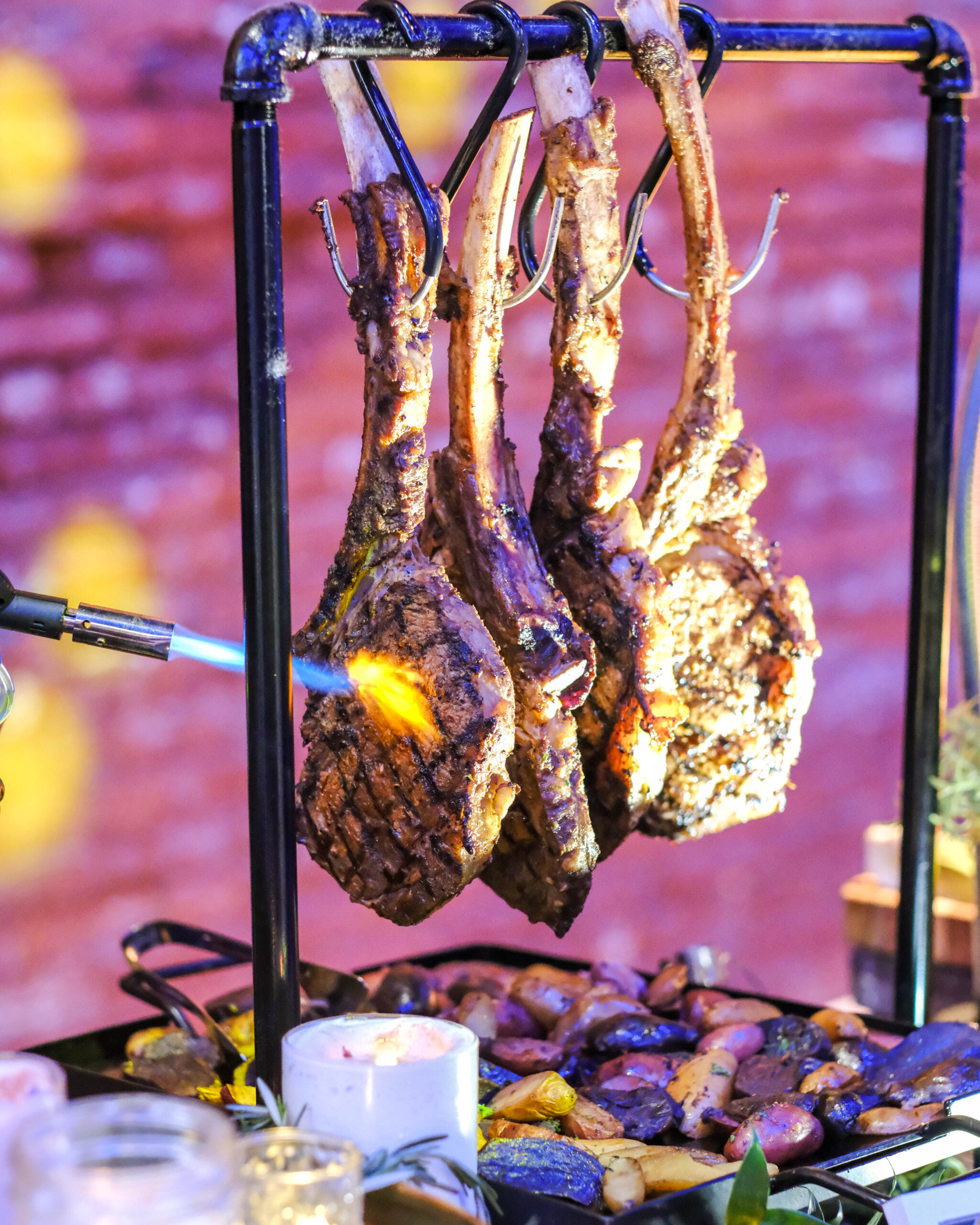
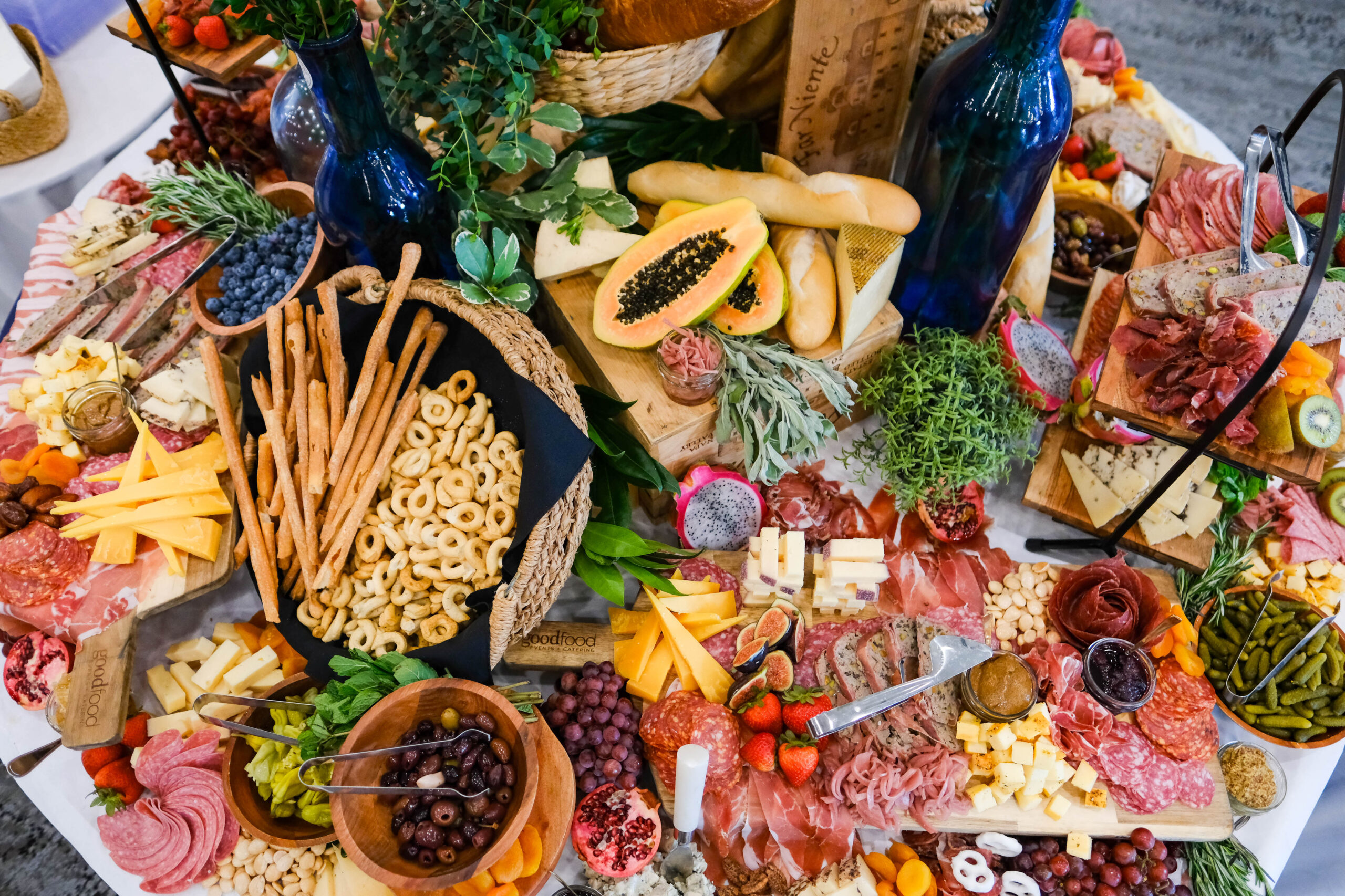
Sometimes that’s a new culinary station. Sometimes it’s a presentation we’ve never tried before. It might be an oyster cart and Champagne, a dramatic carving experience, an unexpected late-night snack or a completely new way to serve something familiar.
But creativity for its own sake isn’t particularly useful.
An idea still has to work.
It has to make sense for the venue. It has to fit the flow of the event. It has to be executable for the number of guests attending, and most importantly, it still has to taste good.
That’s the balance we look for.
We want guests to encounter things they haven’t necessarily seen at every other event, but we also understand that the most memorable experiences are often surprisingly simple. A familiar food prepared exceptionally well can create just as much excitement as something completely unexpected.
Our job is to know when to push the idea and when to get out of its way.
Clear Proposals. Thoughtful Planning. No Guessing Games.
Catering proposals can get complicated quickly.
Food, staff, rentals, bar service, equipment, service charges and dozens of event-specific details can turn a seemingly simple price into something difficult to understand.
We don’t think it should be that way.
Our proposals are designed to show what we’re providing and what it costs. As an event develops, we work through the details with our clients so they can understand how decisions affect both the experience and the budget.
That doesn’t mean every event is simple. Large events rarely are.
It means the process should be clear.
We would much rather have an honest conversation early in the planning process about priorities, possibilities and budget than create surprises later.
Good planning creates better events, and transparency is part of good planning.
Tampa Bay Has Been Home Since 2008
Good Food began in Tampa in 2008, and we’ve had the unusual privilege of watching the city grow while growing alongside it.
We’ve catered inside buildings that have been part of Tampa for generations and venues that didn’t exist when we started. We’ve watched historic spaces find new lives and entire neighborhoods transform around them. We’ve worked in museums, event venues, private homes and temporary structures throughout Tampa Bay, often returning to the same places year after year with completely different events.
That history matters.
Knowing a venue isn’t simply knowing its address or where the ballroom is located. It’s understanding how an event actually works there. Where catering enters. Where the kitchen functions best. How guests move through the room. Where a culinary station creates energy rather than congestion. What works beautifully for a plated dinner and when a different service style might make more sense.
That experience allows us to spend less time figuring out the building and more time thinking about the event we’re creating inside it.
And after more than eighteen years, Tampa still gives us new places to discover.
What Does “Good Food” Really Mean?
When the company was named Good Food, the idea seemed pretty straightforward.
Make good food.
Over time, the name has come to mean considerably more to us.
It means caring about what happens to a dish between the kitchen and the guest. It means creating experiences around food instead of simply setting it on a table. It means training people to understand that hospitality is about noticing what someone needs. It means thinking through the logistics nobody else wants to think about. It means listening before we start designing a menu.
And it means continuing to be curious.
We’re still trying new things. We’re still changing menus. We’re still building new culinary experiences. We’re still learning from our clients, our chefs, our service teams and the thousands of guests we’ve had the opportunity to serve.
After all these years, we still don’t believe the goal is simply to cater another event.
The goal is to help create an event people remember.
That’s Why Good Food.
Let’s Create Something Memorable
Whether you’re planning a wedding, corporate event, gala or private celebration, we’d love to hear what you have in mind.
Tell us where you’re gathering, who you’re bringing together and what you want the experience to feel like.
We’ll take it from there.